
- Tinnitus causes ringing, buzzing, or other sounds in the ears, and while there is no single cure, many treatments help with symptom reduction.
- Hearing aids, sound therapy, lifestyle changes, and professional consultation can make tinnitus much easier to manage.
- This guide explains what helps tinnitus go away and how seeing an audiologist can lead to lasting relief.
Many people search online asking, What helps tinnitus go away, especially when the sound starts to interrupt sleep, focus, or everyday peace. Tinnitus can feel overwhelming at first, but the good news is that there are many safe and effective ways to reduce how loud it feels and how much it affects your life.
Tinnitus is common, and you are not alone. Millions of adults experience ringing or buzzing in their ears at some point. While tinnitus does not always fully disappear, most people can achieve a meaningful reduction in symptoms with the right plan and professional support. In this article, Link Audiology explains what tinnitus is, why it happens, and what treatments truly help.
What Is Tinnitus?
Tinnitus is the perception of sound when no outside sound is present. It is often described as ringing in the ears, but it can also sound like:
- Buzzing
- Humming
- Hissing
- Clicking
- Thumping
- Grinding
The sound may be soft or loud. It can come and go or stay constant. Some people hear it in one ear, while others hear it in both ears or inside their head.
Tinnitus itself is not a disease. It is a symptom that something is happening within the hearing system or the brain’s sound pathways. When left untreated, tinnitus can affect sleep, concentration, mood, and quality of life.
Why Does Tinnitus Happen?
There are many possible reasons tinnitus develops. Common causes include:
- Hearing loss
- Exposure to loud noise
- Earwax buildup
- Ear infections or fluid
- Certain medications
- Jaw or neck problems
- Stress and anxiety
- Changes in blood pressure
Because tinnitus has many causes, guessing at treatment or possible solutions can be frustrating. That is why a professional hearing consultation is often the most helpful first step.
Why a Tinnitus Consultation Matters
A tinnitus consultation helps identify what may be triggering your symptoms and what treatments are most likely to help. Everyone’s tinnitus is different, so care should be personal.
During a tinnitus consultation, an audiologist may:
- Review your hearing and health history
- Look inside your ears for wax, infection, or irritation
- Perform a hearing test
- Ask about stress levels, sleep habits, and noise exposure
Link Audiology offers tinnitus consultations and hearing tests in Silverdale, WA, Vashon, WA, and University Place, WA.
What Helps Tinnitus Go Away? Treatments That Bring Relief
There is no single cure for tinnitus, but many treatments help with symptom reduction. Most people see the best results with a combination of care options.
1. Hearing Aids for Tinnitus Reduction
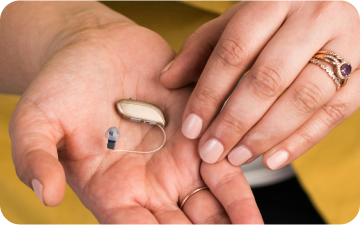
Many people with tinnitus also have hearing loss, even if it is mild. When hearing loss is treated, tinnitus often becomes less noticeable.
Hearing aids help tinnitus by:
- Making everyday sounds clearer
- Reducing the contrast between silence and tinnitus
- Helping the brain focus on real sounds
- Offering built-in tinnitus relief sounds
Modern hearing aids are designed to support both hearing improvement and tinnitus reduction, helping people feel more comfortable throughout the day.
2. Sound Therapy and Masking
Sound therapy uses gentle background sounds to make tinnitus less noticeable. This helps the brain stop focusing on the ringing.
Helpful sound options include:
- White noise machines
- Devices that play nature sounds
- Fans or soft music
- Tinnitus relief apps
- Hearing aid sound generators
Sound therapy is especially helpful at night or in quiet spaces where tinnitus feels louder.
3. Counseling and Education
Learning about tinnitus as a condition can reduce fear and stress. When people understand why tinnitus happens, the sound often feels less threatening.
Audiologist-led counseling can help you:
- Understand your tinnitus symptoms
- Learn coping tools
- Reduce anxiety linked to the sound
- Build confidence in daily life
Getting the right information is a key part of tinnitus management and long-term comfort.
4. Cognitive Behavioral Therapy (CBT)
CBT focuses on how your brain reacts to tinnitus rather than trying to remove the sound itself. It helps change negative thought patterns.
According to researchers, CBT may help with:
- Better sleep
- Less stress and anxiety
- Improved emotional balance
- Easier tinnitus acceptance
Many people find that CBT greatly improves quality of life.
5. Medication for Emotional Support
There is no medication that cures tinnitus directly. However, if tinnitus causes anxiety, depression, or sleep problems, medication may help manage those effects.
Medication may be recommended alongside:
- Counseling
- Sound therapy
- Lifestyle changes
Always talk with a healthcare provider before starting or stopping medication.
Tinnitus Retraining Therapy (TRT)
Tinnitus Retraining Therapy (TRT) is a treatment that helps your brain learn to ignore tinnitus sounds, making them feel less noticeable over time. It combines sound therapy with counseling to reduce stress and change how your brain reacts to ringing or buzzing. With consistent use, many people find that tinnitus becomes easier to manage and less disruptive to daily life.
Lifestyle Changes That Support Tinnitus Reduction
Small daily habits can make a big difference.
Diet and Tinnitus
Your diet affects circulation, nerve health, and inflammation, all of which can influence tinnitus.
Helpful diet tips include:
- Eat balanced meals with fruits and vegetables
- Limit salty foods if they worsen symptoms
- Reduce excess caffeine or sugar if they trigger ringing
- Avoid skipping meals
A healthy diet supports overall wellness and may help reduce tinnitus intensity for some people.
Hydration Matters
Hydration plays an important role in how your body functions. Dehydration can make tinnitus feel sharper or more distracting.
Try to:
- Drink water regularly throughout the day
- Limit alcohol if it worsens symptoms
Staying hydrated supports circulation and overall ear health.
Supplements: What to Know
Some people ask about supplements for tinnitus. Certain vitamins and minerals may help if you have a deficiency, including:
- Magnesium
- Zinc
- Vitamin B12
- Omega-3 fatty acids
Supplements are not a cure, but they may support nerve and ear health. Always talk with a healthcare provider before starting supplements to ensure safety.
Stress Reduction and Relaxation
Stress is one of the biggest tinnitus triggers. Relaxation helps calm the nervous system and reduce how noticeable tinnitus feels.
Helpful techniques include:
- Deep breathing
- Meditation
- Gentle yoga
- Mindfulness practices
Even a few minutes a day can make a difference.
Exercise and Movement
Regular movement improves blood flow and lowers stress.
Good options include:
- Walking
- Stretching
- Swimming
- Light strength exercises
Exercise also supports better sleep, which helps with tinnitus reduction.
Understanding Different Types of Tinnitus
Not all tinnitus is the same.
Subjective Tinnitus
The most common type. Only the person experiencing it can hear the sound. Often linked to hearing loss or noise exposure.
Neurological Tinnitus
Linked to conditions affecting the brain or auditory pathways, such as Meniere’s disease.
Somatic Tinnitus
Connected to movement or sensory input, such as jaw or neck tension.
Objective Tinnitus
Very rare. Sometimes caused by blood vessel or muscle issues, and may be treatable.
Can You Get Used to Tinnitus?
Yes. Many people experience habituation, where the brain learns to treat tinnitus as background noise.
Habituation is supported by:
- Hearing aids
- Sound therapy
- Counseling
- Stress management
Over time, tinnitus often becomes less noticeable and less stressful.
When Should You See an Audiologist?
Schedule a visit if:
- Tinnitus lasts more than a week or two
- The sound suddenly worsens
- It occurs in one ear only
- You also have hearing loss or dizziness
- Tinnitus affects sleep or mood
Early care leads to better outcomes.
Tinnitus Care at Link Audiology
Link Audiology provides tinnitus evaluation and management in Washington, including:
- Silverdale, WA
- Vashon, WA
- University Place, WA
Our audiologists offer hearing tests, tinnitus consultations, sound therapy guidance, and long-term support.
Final Thoughts: What Helps Tinnitus Go Away?
If you are still wondering what helps tinnitus go away, the answer is often a combination of care rather than one single fix. Hearing aids, sound therapy, stress reduction, diet changes, hydration, supplements (when appropriate), and professional consultation all work together to support tinnitus reduction.
Tinnitus may not disappear completely, but it can become quieter, less stressful, and much easier to live with. With the right guidance, many people regain better sleep, focus, and peace of mind.
If tinnitus is affecting your daily life, contact Link Audiology today to schedule an appointment and take the first step toward lasting relief.