
About 25 million Americans have tinnitus, and in some cases, it can be so bad that it makes it hard to do everyday things.
The noise level might fluctuate, and it can be either intermittent or constant. You might be more sensitive to it at night when you’re trying to get to sleep in a quiet place. Tinnitus sounds become louder when background noise is low. Occasionally, the sound will match your heartbeat (pulsatile tinnitus).
What causes tinnitus?
Infections or obstructions can cause tinnitus in the ear. This type of tinnitus can go away after the underlying reason is treated.
However, if tinnitus symptoms persist even after the underlying problem has been treated, other therapies may be needed. These therapies may be a mix of conventional and unconventional approaches.
The most prevalent cause of tinnitus is prolonged exposure to loud sounds. Noise-induced hearing loss affects up to 90% of patients with tinnitus. Tinnitus can be caused by a single exposure to excessively loud noise.
Tinnitus can be caused by a number of other ailments and disorders, including:
- Certain medications, most notably aspirin, antibiotics, loop diuretics, anti-inflammatories, and antidepressants, as well as quinine treatments, may trigger tinnitus symptoms.
- Deterioration of the cochlea
- Meniere’s disease
- Otosclerosis
- Temporomandibular joint (TMJ) syndrome
- Other medical conditions such as cardiovascular disease, high blood pressure, circulatory problems, allergies, anemia, an underactive thyroid gland, diabetes, and autoimmune disease
Tinnitus can get worse in some people if they drink alcohol, smoke cigarettes, drink drinks with caffeine, or eat certain foods. Stress and weariness appear to aggravate tinnitus as well.
Diagnosing Tinnitus
Diagnosing tinnitus involves a series of steps to understand the condition, identify its cause, and determine the best treatment plan. Here’s what typically happens during a tinnitus evaluation:
1. Detailed Medical History
The audiologist or doctor will ask about your health history, lifestyle, and when you first noticed the tinnitus. They may ask about:
- Exposure to loud noises
- Recent illnesses or injuries
- Medications you’re taking
- Stress or anxiety levels
2. Hearing Tests
Since tinnitus is often linked to hearing loss, you’ll likely have a hearing test aside from a tinnitus evaluation. This measures how well you hear different sounds and tones. It helps the specialist understand if your tinnitus is related to hearing loss.
3. Tinnitus Questionnaires
You may be asked to fill out a questionnaire to describe your tinnitus. This helps the specialist understand how the tinnitus is affecting your daily life, sleep, and emotions.
4. Physical Examination
The doctor might check your ears, jaw, and neck for any physical issues that could cause or worsen tinnitus.
5. Advanced Tests (If Needed)
In some cases, imaging tests like an MRI or CT scan might be recommended to rule out any serious underlying issues.
By combining these steps, your audiologist can diagnose tinnitus and recommend treatments, such as sound therapy, hearing aids, or lifestyle changes, to help manage the condition.
How is tinnitus treated?
Since there is no exact cause of tinnitus, treatment or management may also vary. Below are some of the treatments for tinnitus:
Hearing aids
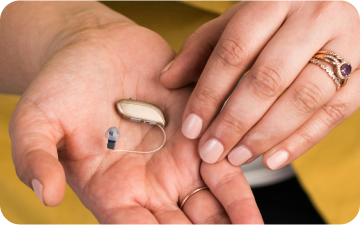
The majority of tinnitus sufferers have some degree of hearing loss. Hearing aids provide a double benefit by improving hearing and reducing or eliminating tinnitus. Most people with tinnitus may get some or all of their symptoms under control with hearing aids.
Tinnitus maskers
Tinnitus maskers are tiny electronic gadgets that resemble hearing aids and are set to produce sound that covers or masks the tinnitus. Similar to hearing aids, they might help with tinnitus but won’t improve hearing or make it easier to interpret speech. Tinnitus patients can utilize a variety of tools to help them get to sleep or stay asleep, including fans, radios, and sound generators.
Medications
With tinnitus, you may experience anxiety and other intense emotional reactions. Some medications may help to ease these feelings as well as some of the symptoms of tinnitus.
Counseling and support
Tinnitus can cause psychiatric issues such as anxiety, depression, and others. In cases of severe tinnitus, working with a psychiatrist or counselor may help keep emotional and mental issues caused by tinnitus at bay.
Meditation and relaxation techniques
If the ringing in your ears is annoying you, learning how to relax will be quite beneficial. Tinnitus gets worse under stress. You can get a better chance to sleep and deal with the noise by using meditation and other relaxation techniques.
Tinnitus Evaluations in Washington
Link Audiology has audiologists providing tinnitus evaluations in Silverdale, WA, Vashon, WA, and University Place, WA.
Contact us today to book an appointment!